
01
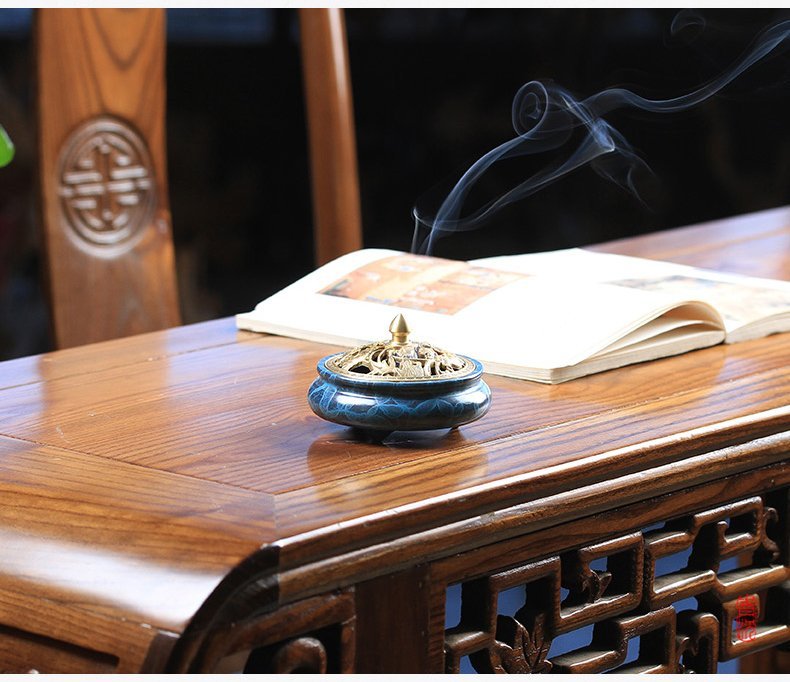
Incense burner
A vessel intended for burning incense. Choose one suitable for the method you use and place it on a separate heat-resistant surface.

ZENFOFO / INCENSE
An introduction to Chinese incense culture, the tools of incense-seal making and the care behind each small gesture.
Explore the ritual ↓AI-generated atmosphere · Not a product photograph
BEGIN WITH UNDERSTANDING
In the powder-trail practice introduced here, a patterned mould helps shape incense powder on a prepared ash bed. Once the mould is lifted, the outline remains: a small composition made through patient preparation.
This is one way to explore Chinese incense culture, rather than a single rule for every tradition. Vessels, materials and methods vary. Historical incense objects also belong to different domestic and devotional settings, so their cultural context matters as much as their appearance.
You do not need to burn incense to appreciate the craft. Observing the tools, studying a pattern or practising preparation without lighting it can be a starting point.
VESSELS AND EVERYDAY RITUAL
KNOW THE TOOLS
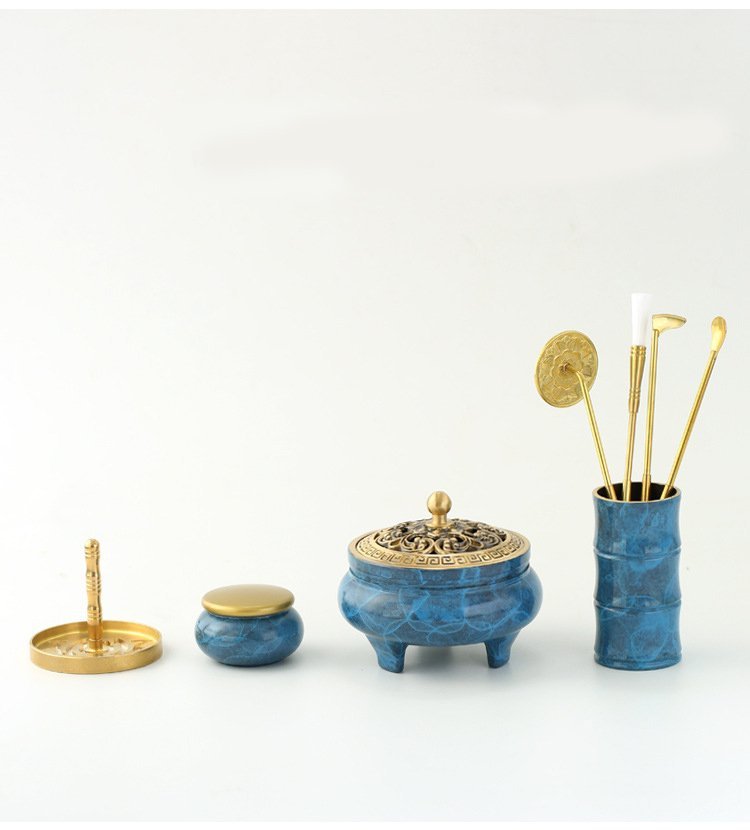
These are common components of a seal-style setup, not a confirmed ZENFOFO product list.
01
A vessel intended for burning incense. Choose one suitable for the method you use and place it on a separate heat-resistant surface.
02
An ash bed used to support the powder pattern in a seal-style setup. Use ash intended for incense practice, following the equipment instructions.
03
The fragrant material that forms the trail. Use powder explicitly suitable for direct-burning incense seals; not every aromatic powder will burn this way.
04
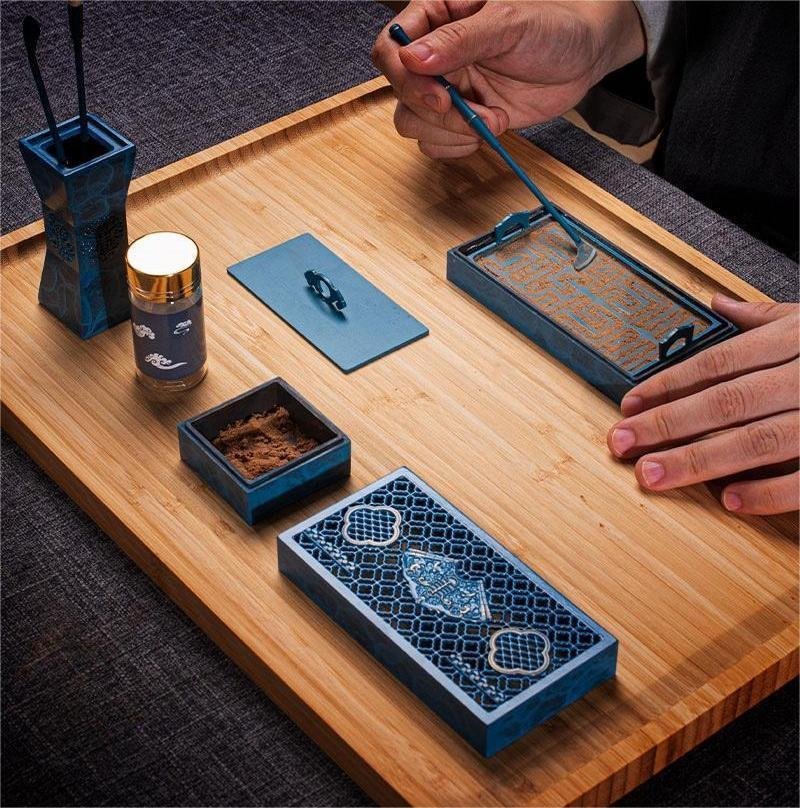
A patterned stencil used to shape a continuous trail. Lift it carefully to preserve the outline.
05
Tools for preparing an even ash surface before placing the mould. Gentle, controlled movements help keep the surface tidy.
06
Small tools for placing powder, clearing excess and lighting the finished trail. Keep a suitable extinguishing method close by.
FROM ASH TO PATTERN
A general orientation for a direct-burning powder trail. Always follow the specific instructions supplied with your burner, mould and incense; this overview does not replace them.
Place the burner on a stable, heat-resistant surface. Prepare and level the ash bed as directed by your equipment instructions.
Set the mould flat on the prepared surface. Keep it steady so the pattern does not shift.
Spoon suitable incense powder into the stencil and gently level it. Follow the powder and mould instructions rather than packing it excessively.
Raise the mould slowly and evenly. Inspect the trail for gaps before attempting to light it.
Light one end as directed by the incense maker and allow the trail to smoulder. Stay nearby throughout; fully extinguish it before leaving and let everything cool.
WATCH THE PREPARATION
A short, silent look at a rectangular incense-seal set being opened and prepared. Watch the ash surface and the way the patterned mould is handled.
20-second preparation excerpt · Tap to play
This is a visual introduction, not a complete lighting tutorial.
USE WITH CARE
Further reading: U.S. EPA guidance on indoor particles and ventilation.
IN PREPARATION
We are preparing a focused collection of incense burners and seal-making tools. Before any item becomes available, we will share its actual photographs, materials, dimensions, included components and care instructions, together with pricing and delivery details.
No incense kit is available to order from this guide yet. The tools described above explain the practice; they are not a promise of what a future kit will contain.
Explore the Journal →Start by choosing the method you want to learn. A powder seal needs a compatible mould, powder and ash setup; a holder designed for sticks is not automatically suitable for powder trails.
There is no single burn time. The powder, pattern, amount used and surrounding conditions all matter. Refer to the specific product instructions rather than using a general estimate.
No. ZENFOFO presents incense as a cultural practice and sensory experience, without claims to treat illness, purify indoor air or guarantee wellbeing.
Cultural reading: Seattle Art Museum — Incense Seal and Wood Box. Historical objects offer context; the steps on this page are a general modern orientation, not a reconstruction of that museum object.
Continue discovering Eastern culture →